

Environment and Health over the Lifecourse

The Environment and Health over the Lifecourse research programme aims to conduct high-quality integrative research to expand knowledge on the causes and mechanisms of non-communicable diseases (NCDs). The programme focuses on environmental, radiation, occupational, lifestyle, social, infectious, and genetic risk factors throughout the lifecourse, from prenatal to late adult life. Key outcomes include respiratory and immune health, neurodevelopment, cardiovascular health and cancer. Our ultimate goal is to prevent and control NCDs, in line with the United Nations Sustainable Development Goals.
Specific Goals
- To assess the prevalence and extent of risk factors and lifetime exposures associated with NCDs, while advancing exposure assessment methods.
- To understand the causes, development, course and mechanisms of NCDs, with a focus on respiratory and immune health, neurodevelopment and cognitive decline, mental health, cardiovascular and metabolic health, birth and pregnancy outcomes, and cancer.
- To quantify environmental exposures and NCDs burden, globally, and in low-and-middle income countries and vulnerable populations (e.g., pregnant women, children, elderly, socioeconomically disadvantaged, indigenous peoples and local communities).
- To inform, improve and promote interventions and policies for primary and secondary prevention of NCDs, including preparedness and resilience to health and climate emergencies.
We build on large population-based, clinical and occupational cohort and case-control studies as powerful platforms for etiological research, and incorporate innovative approaches such as the exposome, omics biomarkers, imaging, and data science. Work in the programme ranges from local to national and global efforts in high and low-and-middle income countries, with international leadership in areas such as exposome, radiation, child health, cancer, and respiratory health research. We have a successful record of research and training in epidemiology and in translation of research findings into policy. Within ISGlobal, successful collaborations are in place with the Severo Ochoa groups, the Climate, Air pollution, Nature and Urban Health and the Global Viral and Bacterial Infections Programme.
Main Research Areas
Brain and mental health over the lifecourse
The Brain and mental health over the lifecourse research area aims at investigating the factors influencing brain health development and promotion over the lifecourse, with a particular focus on environmental and social exposures.
- BrainChild Lab - Mònica Guxens
- Jordi Sunyer
- Léa Maitre
- Judith Garcia-Aymerich
- Xavier Basagaña
- Cristina Villanueva
- Payam Dadvand
- Eider Martínez de Arenaza
- Ioar Rivas
- Sarah Koch
- NeuroEpia - Jordi Júlvez
- Mariona Bustamante
- Mireia Gascon
- PopMental - Oleguer Plana-Ripoll
- Marta Cosín
- Margarita Triguero-Mas
- Camille Lassale
Chemicals and water pollutants
The Chemicals and water pollutants research area evaluates the link between exposure to environmental chemical pollutants and health effects over the life course.
- Water Pollution and Health Research Group - Cristina Villanueva
- Martine Vrijheid
- Manolis Kogevinas
- Jordi Sunyer
- Léa Maitre
- BrainChild Lab - Mònica Guxens
- Guillaume Chevance
- Payam Dadvand
- Cristina O’Callaghan
- Oriana Ramirez
- Mariona Bustamante
- Mireia Gascon
- Kurt Straif
Circadian health
The Circadian Health research area studies how disruptions to biological rhythms influence health across the life course, using population-based epidemiology combined with advanced exposure assessment and mechanistic approaches. Research focuses on key circadian disruptors such as night shift work, artificial light at night and the timing of food intake, and their role in the development and progression of cardiometabolic disease, cancer, mental health outcomes and other non-communicable diseases.
In parallel, the area conducts research on the long-term health effects of infectious diseases, from early-life infections to COVID-19, as well as on environmental and occupational determinants of disease, including cancer and chronic kidney disease of unknown origin, with particular attention to low- and middle-income and socially disadvantaged settings.
The area places strong emphasis on the coordination of large population-based and occupational studies, the development and application of innovative exposure assessment and digital tools, and the generation of evidence to support prevention strategies and policy-relevant research on circadian, environmental and occupational determinants of health.
- Manolis Kogevinas
- NutriEpi - Camille Lassale
- Gemma Castaño
- Nuria Matilla
- Cristina O'Callaghan
- Kyriaki Papantoniou
- Kurt Straif
- Payam Dadvand
Environment and Mother-child health
The Environment and Mother-child health research area aims to expand scientific understanding of the environmental, lifestyle and social risk factors for mother-child health and development and the origins of later disease. Our approach is strongly nested in longitudinal cohort studies, starting in pregnancy and following children through adolescence, as a powerful platform for etiological research. We coordinate several mother-child cohort studies and International networks, and incorporate innovative approaches such as exposome and omics approaches. Research lines include childhood obesity and cardiometabolic and liver health, and emerging topics such as infections, climatic conditions, and micro and nanoplastics. Data from the cohorts is used extensively by other research areas within the Environment and Health over the Lifecourse programme (e.g. brain and mental health, respiratory health, chemicals, molecular) and by other ISGlobal programmes.
- Martine Vrijheid
- BrainChild Lab - Mònica Guxens
- Jordi Sunyer
- Léa Maitre
- Manolis Kogevinas
- Xavier Basagaña
- Payam Dadvand
- Juan Ramón González
- Cristina Villanueva
- Mariona Bustamante
- Camille Lassale
- Ioar Rivas
- Sarah Koch
- Mireia Gascon
- Marta Cosín
- Augusto Anguita-Ruiz
Molecular epidemiology
The Molecular Epidemiology research area explores how environmental, lifestyle, and genetic factors interact to influence health and disease throughout life. Using advanced molecular and computational tools, we study the biological pathways that connect exposures to disease onset and progression. We apply omics technologies and biomarkers to identify molecular signatures of exposure and risk. We focus particularly on non-communicable diseases and the impact of early-life exposures on long-term health. By integrating population-based data with molecular insights, we aim to better understand the mechanisms that drive disease and to inform prevention strategies. Ultimately, our research contributes to advancing precision public health and reducing health inequalities worldwide.
- Juan Ramón González
- Léa Maitre
- Manolis Kogevinas
- Cristina Villanueva
- Martine Vrijheid
- Mariona Bustamante
- Camille Lassale
- Marta Cosín
- Augusto Anguita-Ruiz
Occupational health
The Occupational Health research area evaluates the impacts of occupational exposures related to the development and progression of mental and physical health outcomes over the lifecourse, with a particular focus on cancer and respiratory disease. Researchers in the area study the occupational exposome and interactions of occupational and non-occupational exposures. An important focus includes the conduct of both observational and interventional studies related to the impact of climate change, the transition towards sustainable jobs, and the green transition on workers' health. Researchers have placed particular emphasis on the coordination of large-scale occupational cohort studies in Europe through networking and research activities. Researchers also lead and participate in various international initiatives related to topics in hazard identification, global burden of disease, and research agenda setting for occupational health.
- Michelle Turner
- Joan Ballester
- Xavier Basagaña
- Payam Dadvand
- Judith Garcia-Aymerich
- Manolis Kogevinas
- Sarah Koch
- Jordi Júlvez
- Cristina O’Callaghan
- Kurt Straif
- Davide Rasella
Radiation
The Radiation research area covers cancer and non-cancer effects of exposure to both ionising and non-ionising radiation, throughout the life course, from medical, environmental, and occupational sources and from accidents.
- BrainChild Lab - Mònica Guxens
- Juan Ramón González
- Gemma Castaño
- Payam Dadvand
- Elizabeth Diago
Respiratory health over the lifecourse
The Respiratory health over the lifecourse research area aims to study the risk factors of development and progression of allergic and chronic respiratory diseases (primarily asthma and COPD) over the lifecourse, with a particular focus on physical inactivity and body composition, air pollution, occupational exposures, temperature, indoor environment, sleep, infections, and their interactions. The area also focuses on the definition and assessment of the concept of physical activity across ages and disease status, and in the development and validation of digital health tools and approaches to measure, predict and prevent adverse respiratory health outcomes.
- Judith Garcia-Aymerich
- Manolis Kogevinas
- Jordi Sunyer
- Michelle Turner
- Juan Ramón González
- Joren Buekers
- Sarah Koch
- Stefano Guerra
- Mireia Gascon
- Ioar Rivas
- Josep M. Antó
Cross-faculty hubs involving this programme:
Related Impact Stories
Keeping our Water Safe: Guiding water quality standards in Barcelona and globally.
Our Team
Leadership
-
Judith Garcia Aymerich
-
 Martine Vrijheid Research Professor and Head of the Environment and Health over the Lifecourse Programme

Principal lnvestigators of the Programme
-
 Josep Maria Antó Research Professor
 -
 Juan Ramón González Research Professor
 -
 Mònica Guxens ICREA Research Professor
 -
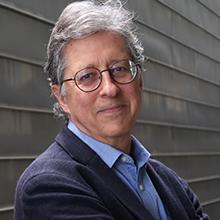 Manolis Kogevinas Research Professor
 -
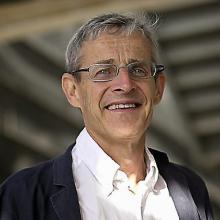 Jordi Sunyer Research Professor
 -
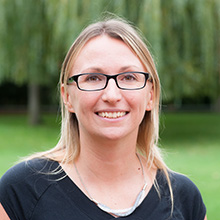 Michelle Turner Associate Research Professor
 -
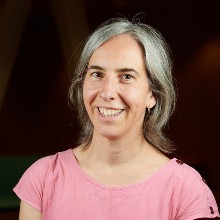 Cristina Villanueva Associate Research Professor
 -
 Augusto Anguita Junior Research Leader
 -
 Camille Lassale Assistant Research Professor
 -
 Lea Maitre Assistant Research Professor
 -
 Eider Arenaza-Urquijo Assistant Research Professor
 -
 Nuria Matilla Junior Research Leader
 -
 Oleguer Plana-Ripoll Assistant Research Professor
 -
 Cristina O'Callaghan Associated Researcher
 -
 Kurt Straif Associated Researcher
 -
 Marta Cosín Associated Researcher
 -
Mireia Gascon Merlos
-
 Jordi Júlvez Associated Researcher
 -
 Sarah Koch Associated Researcher (external)
 -
Kyriaki Papantoniou Associated Researcher
-
 Oriana Ramírez Associated Researcher
 -
 Ioar Rivas Associated Researcher (External)
 -
 Isabelle Thierry-Chef Senior Researcher
 -
 Joren Buekers Staff Scientist
 -
 MARIONA BUSTAMANTE Staff Scientist
 -
 Gemma Castaño Staff Scientist
 -
Stefano Guerra Visiting Scholar
-
 Elizabeth Diago Navarro Associated Researcher
 -
 Sue Bell Associate Professor
 -
 Xavier Basagaña Research Professor
 -
 Payam Dadvand Research Professor
 -
 Jeffrey Lazarus Head of the Public Health Liver Group
 -
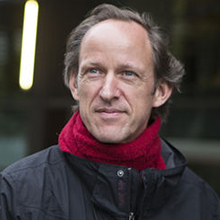 Mark J Nieuwenhuijsen Research Professor, Scientific Director of the Severo Ochoa Programme, and Director of the Urban Planning, Environment and Health Initiative
 -
 Davide Rasella ICREA Research Professor and Head of the Health Impact Assessment and Evaluation Group
 -
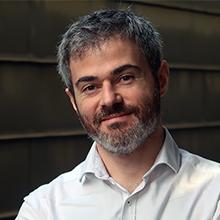 Joan Ballester Research Professor
 -
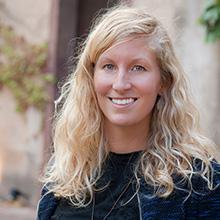 Natalie Mueller Assistant Research Professor
 -
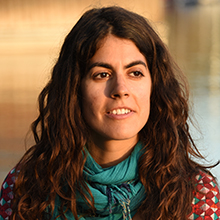 Margarita Triguero-Mas Associated Researcher
 -
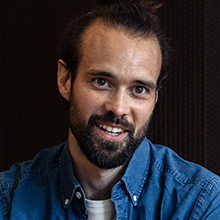 Guillaume Chevance Associated Researcher

Taking Care of Children During Heat Waves: What Can Schools Do?
In general, schools are the only public buildings that are not equipped and adapted for optimal thermal comfort. There is an urgent need to plan...
Research, Urban Planning, Environment and Health 21.06.2023
Artificial Sweeteners: Are They a Health Risk?
Artificial sweeteners are in the spotlight. The World Health Organization (WHO) has issued guidelines warning against their use to control body...
Research 16.06.2023
Health promotion, life expectancy, quality of life, and planetary health. Jordi Sunyer's Honorary Doctorate Speech
This is the speech given by the researcher Jordi Sunyer when he was awarded an honorary doctorate by the University of Hasselt (Belgium) on 25 May...
Research 26.05.2023
Project GOLIAT: Investigating the Potential Risk of 5G Exposure on Young People
We are increasingly exposed to radiofrequency electromagnetic fields. It is therefore important to continue research into their potential risk to...
Research 18.05.2023
How to Lower the Radiation Dose Received by Children in Medical Tests?
There are numerous strategies to reduce radiation dose that children receive from diagnostic imaging tests. The key is to ensure that the...
Research 03.02.2023

The Challenge of the Exposome: How to Determine Cause-Effect Relationships Among Hundreds or Thousands of Data?
"Your assumptions are your windows on the world" (Isaac Asimov) Apparently there is a significant correlation between the number of people...
Research 07.12.2022
How Do Individuals Interact with the Urban Environment?
[This text has been written by Cathryn Tonne, Associate Research Professor at ISGlobal, and Sarah Williams, project manager at ISGlobal] ...
Research, Urban Planning, Environment and Health 29.06.2022
Safe and Healthy School Environments Reach the Spanish Congress of Deputies
Today, the people and organisations that make up the Mobility and Childhood Seminar have a reason to celebrate: the Road Safety Commission of...
10.03.2022
How Urban Planning Can Influence Child’s Neurodevelopment?
The worldwide growing urbanization is increasing the number of urban dwellers and projections show that 68% of the world population will live...
Research, Urban Planning, Environment and Health 03.01.2022
Google's Car Arrives in Barcelona to Measure Air Quality
[Authors: Cathryn Tonne, Associate Research Professor at ISGlobal, and Mark Nieuwenhuijsen, Director of the Urban Planning, Environment and Health...
Research 20.12.2021
Early-life Exposure to the So-called “forever” Chemicals, the PFAS, and Cardiometabolic Health of Children
[This text has been written by Nikos Stratakis, Postdoctoral Research Fellow at ISGlobal, and Eleni Papadopoulou, researcher at the...
Research 02.12.2021