
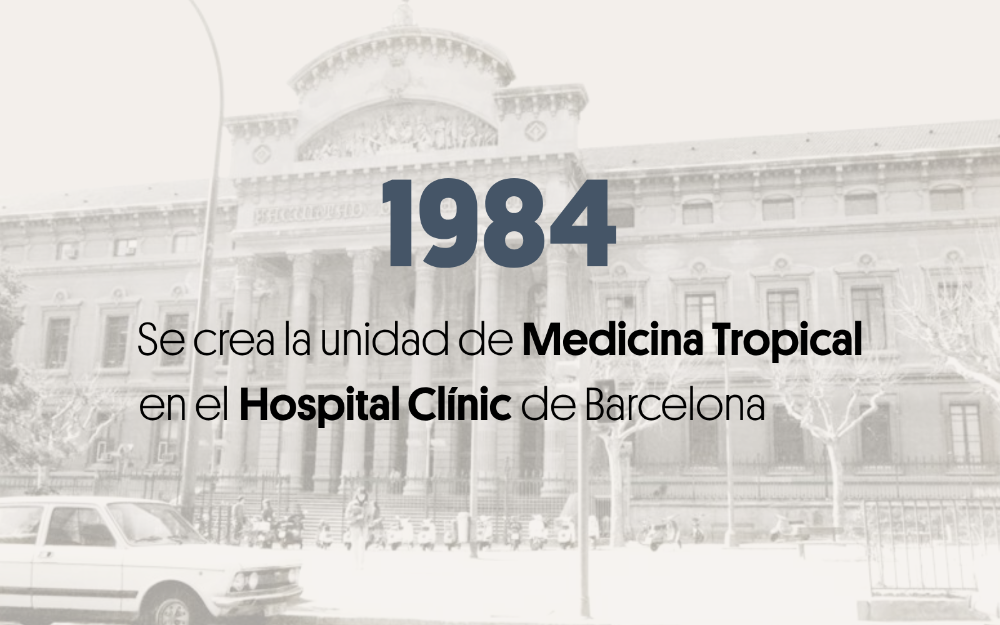
1984
The Tropical Medicine Unit is created at Hospital Clínic de Barcelona


The Tropical Medicine Unit is created at Hospital Clínic de Barcelona
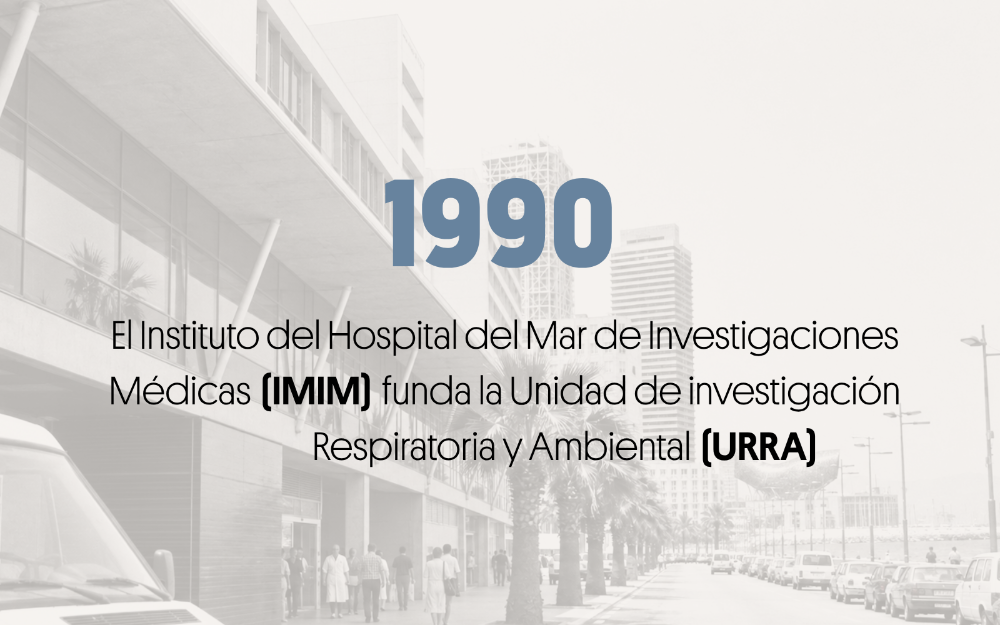
The Hospital del Mar Medical Research Institute (IMIM) founds the Respiratory and Environmental Research Unit (URRA)
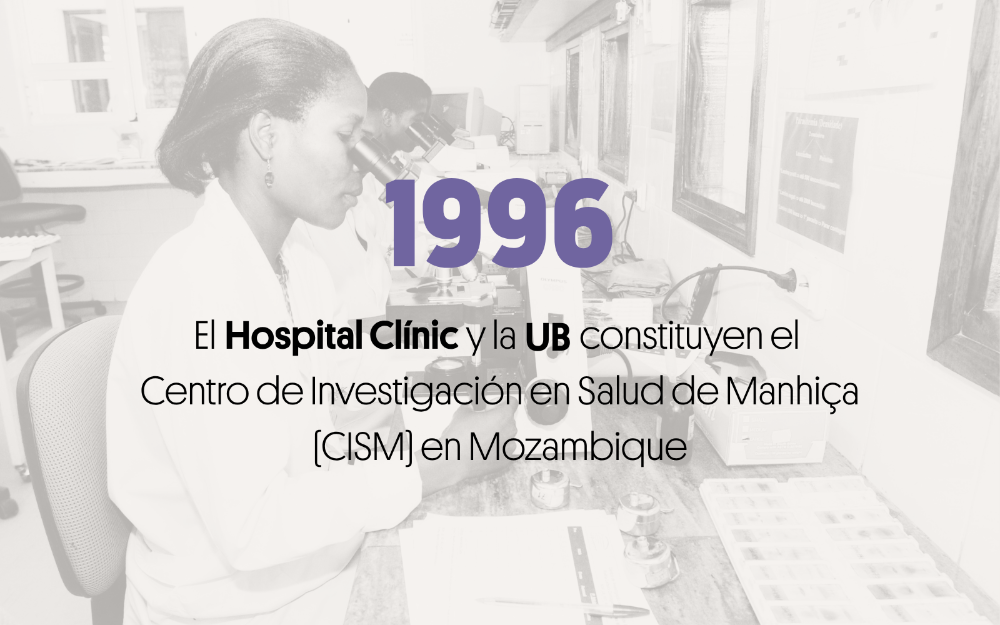
Hospital Clínic and the University of Barcelona establish the Manhiça Health Research Centre (CISM) in Mozambique
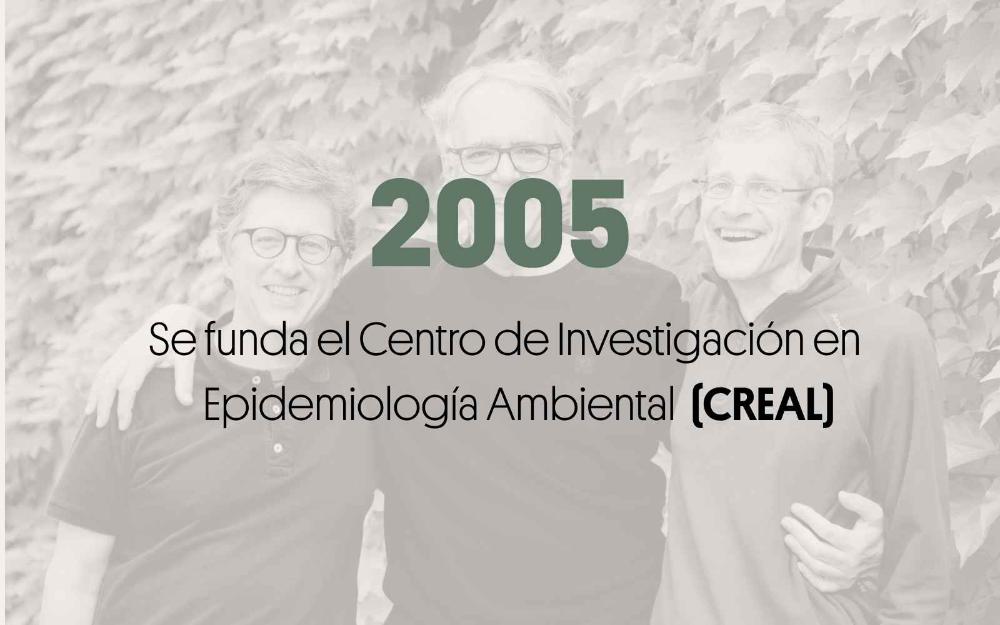
The Centre for Research in Environmental Epidemiology (CREAL) is founded
The Barcelona Centre for International Health Research (CRESIB) is born
Barcelona Institute for Global Health (ISGlobal)
The strategic alliance process between CREAL, CRESIB and ISGlobal begins
The integration of CRESIB and CREAL into ISGlobal is completed
The Barcelona Institute for Global Health (ISGlobal) was officially founded in 2010, driven by the “la Caixa” Foundation together with academic and government institutions seeking to provide Barcelona with a leading research and translation centre able to respond to the global health challenges of the 21st century. Our roots, however, go back much further. ISGlobal draws on more than 30 years of experience in the field of health and consolidates a research-based centre of excellence with its origins in the hospital and academic spheres.
In 1970, the University of Barcelona established the first postgraduate programme in Tropical Medicine and International Health in Spain and, a few years later, in 1984, Hospital Clínic de Barcelona created the first Tropical Medicine Unit in a tertiary hospital in Spain, laying the foundations of what would become a long tradition in this speciality in our country. In 2006, as part of the programme to create CERCA centres (research centres specialising in different fields) of the Government of Catalonia, the Barcelona Centre for International Health Research (CRESIB) was created, following the lines of work in tropical medicine and international health previously opened up by Hospital Clínic and the University of Barcelona. CRESIB reinforced clinical care in tropical diseases with the knowledge generated by international health research.
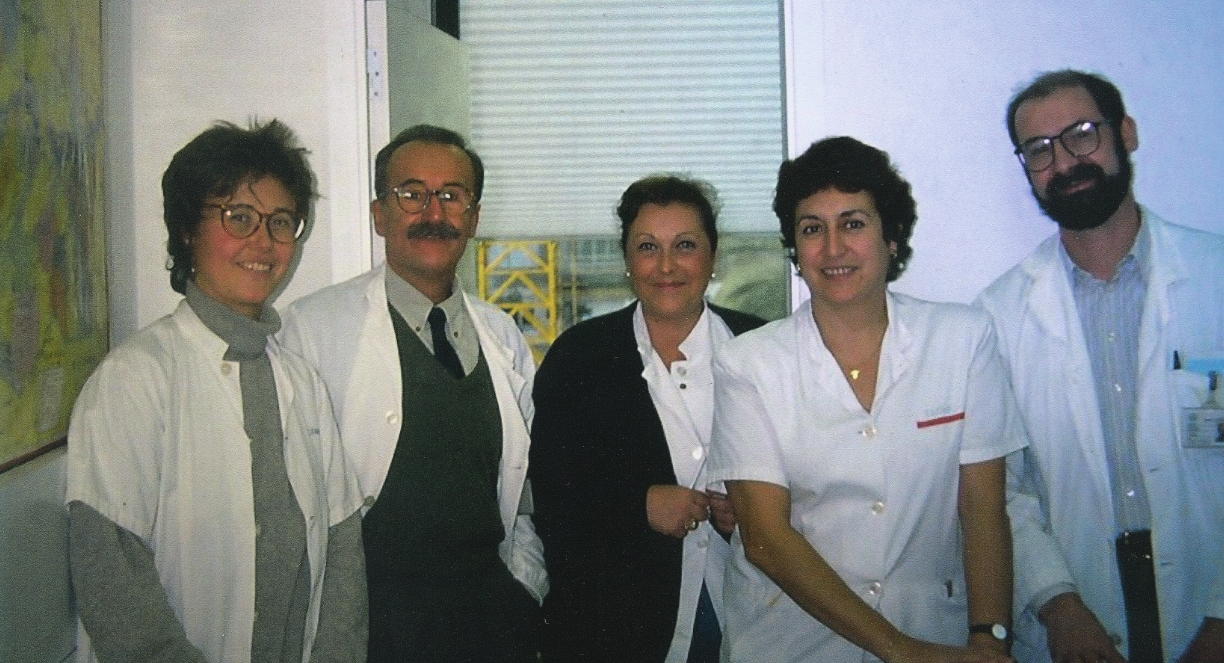
Photo: The members of the tropical medicine section at Hospital Clínic de Barcelona in the mid-1990s. From left to right: Laura Schiaffi, Manuel Corachan, Encarna Caralt, Teresa Mejias and Joaquim Gascon.
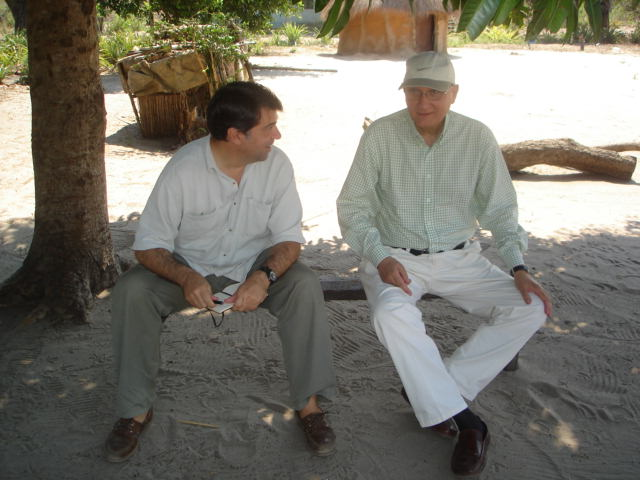
Photo: Joan Rodés (right), founder of the Fundació Clínic per a la Recerca Biomèdica, drove research at the hospital. Pictured with Pedro Alonso, the first member of the Epidemiology and Biostatistics Unit at Hospital Clínic and founder of CRESIB in 2006.
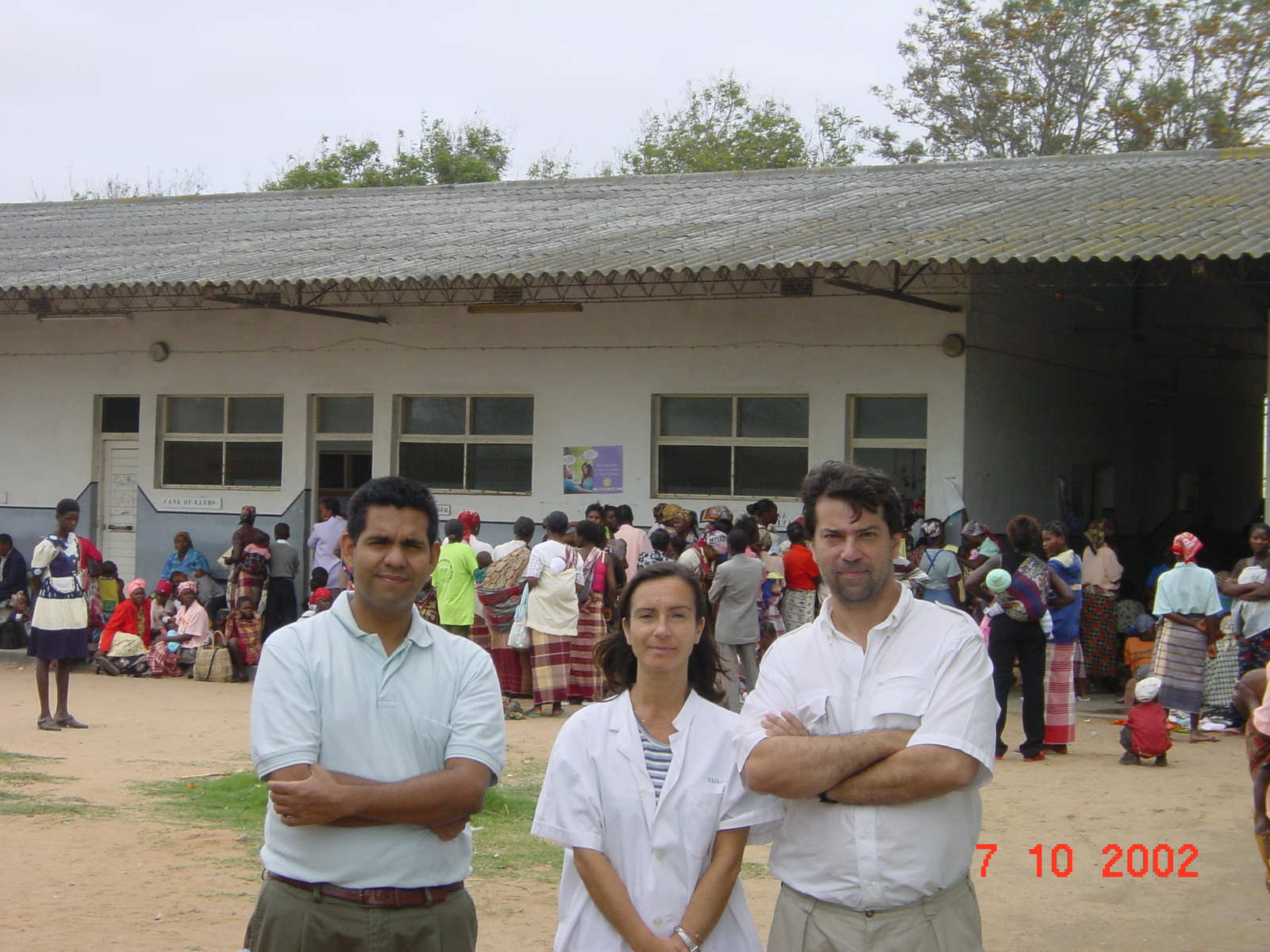
Photo: International health research at Hospital Clínic grew exponentially in the 1990s with the arrival of Pedro Alonso and Clara Menéndez. Pictured in Mozambique with statistician John Aponte (left), who worked with them for almost 20 years.
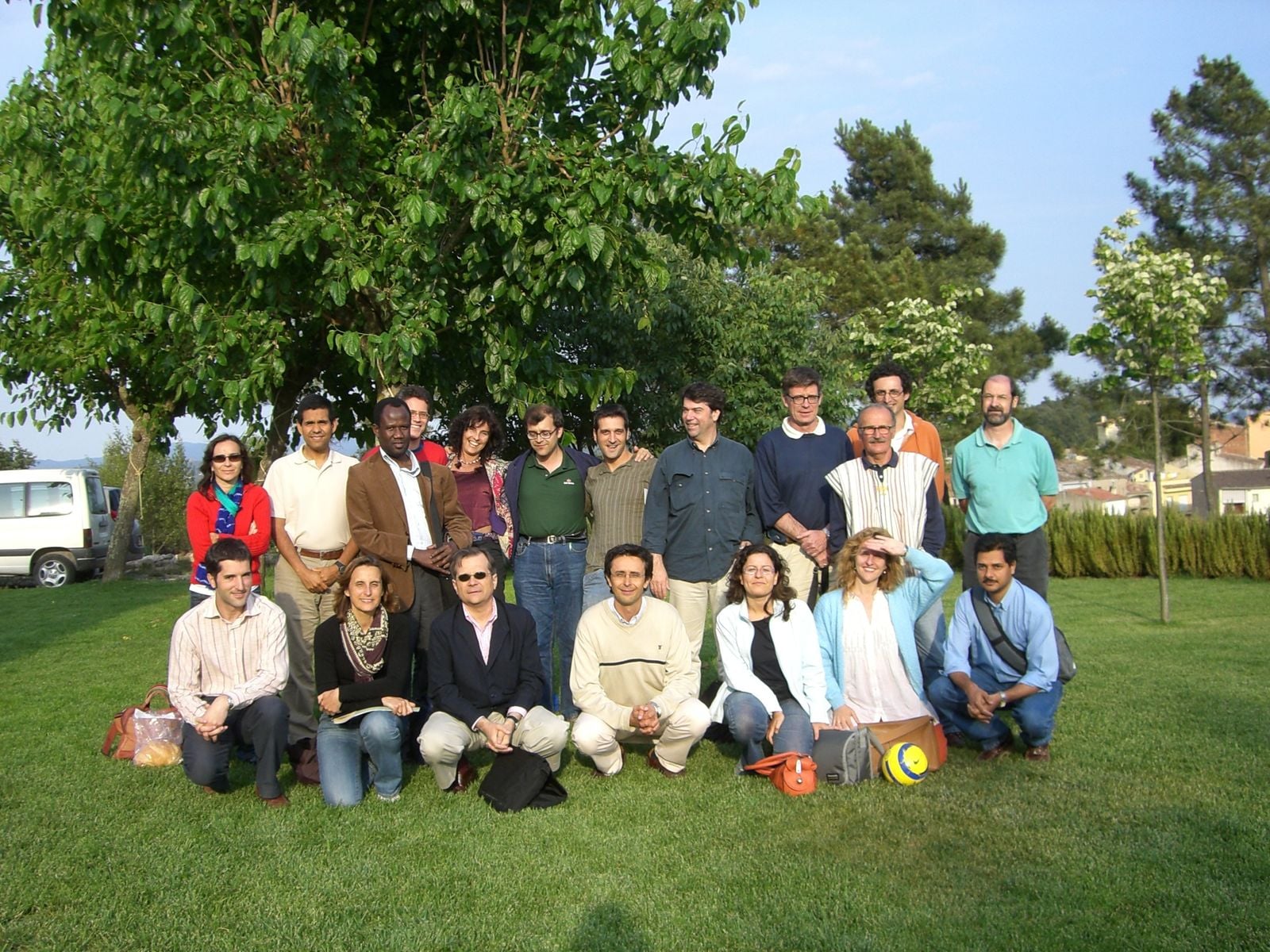
Photo: In June 2006, CRESIB held its first scientific retreat to jointly reflect on and discuss the research lines of the newly created institution.
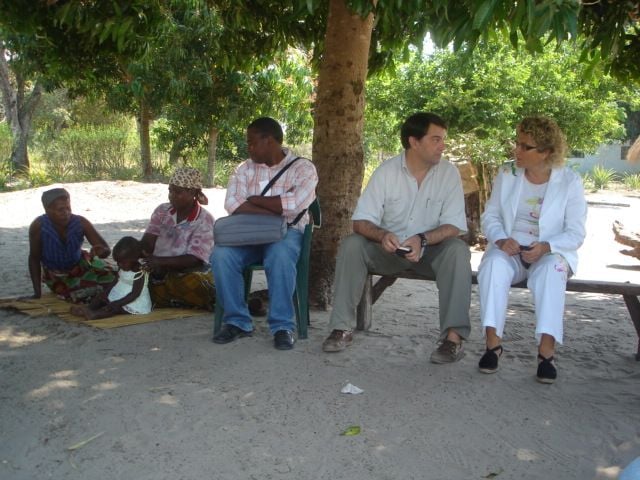
Photo: Following the consolidation of CRESIB, the Health Minister of the Government of Catalonia, Marina Geli, visited CISM in 2007. The support of the Government of Catalonia has been essential in driving international health research in Spain and Mozambique. Pictured with Pedro Alonso.
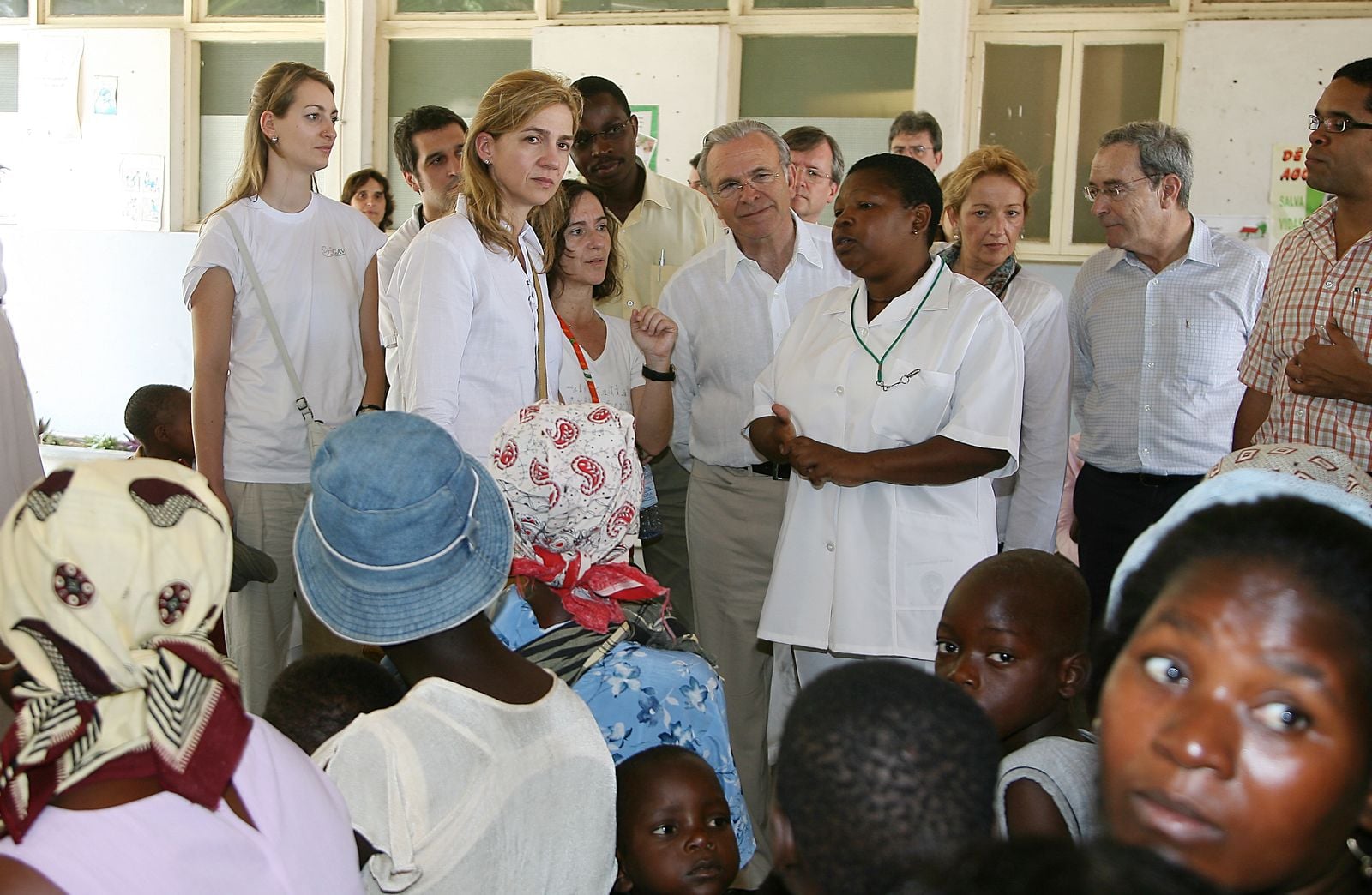
Photo: Infanta Cristina, director of the International Area of the “la Caixa” Foundation, and Isidre Fainé, president of “la Caixa”, visited CISM in 2008. The idea of creating ISGlobal began to take shape during that trip.
In parallel, in 2005 the Centre for Research in Environmental Epidemiology (CREAL) was created, a joint initiative of the Government of Catalonia, the Hospital del Mar Medical Research Institute (IMIM) and Pompeu Fabra University. CREAL’s aim is to study the adverse effects of pollution on health and it is the heir to a track record in environmental epidemiological research initially fostered by IMIM’s Respiratory and Environmental Research Unit (URRA).
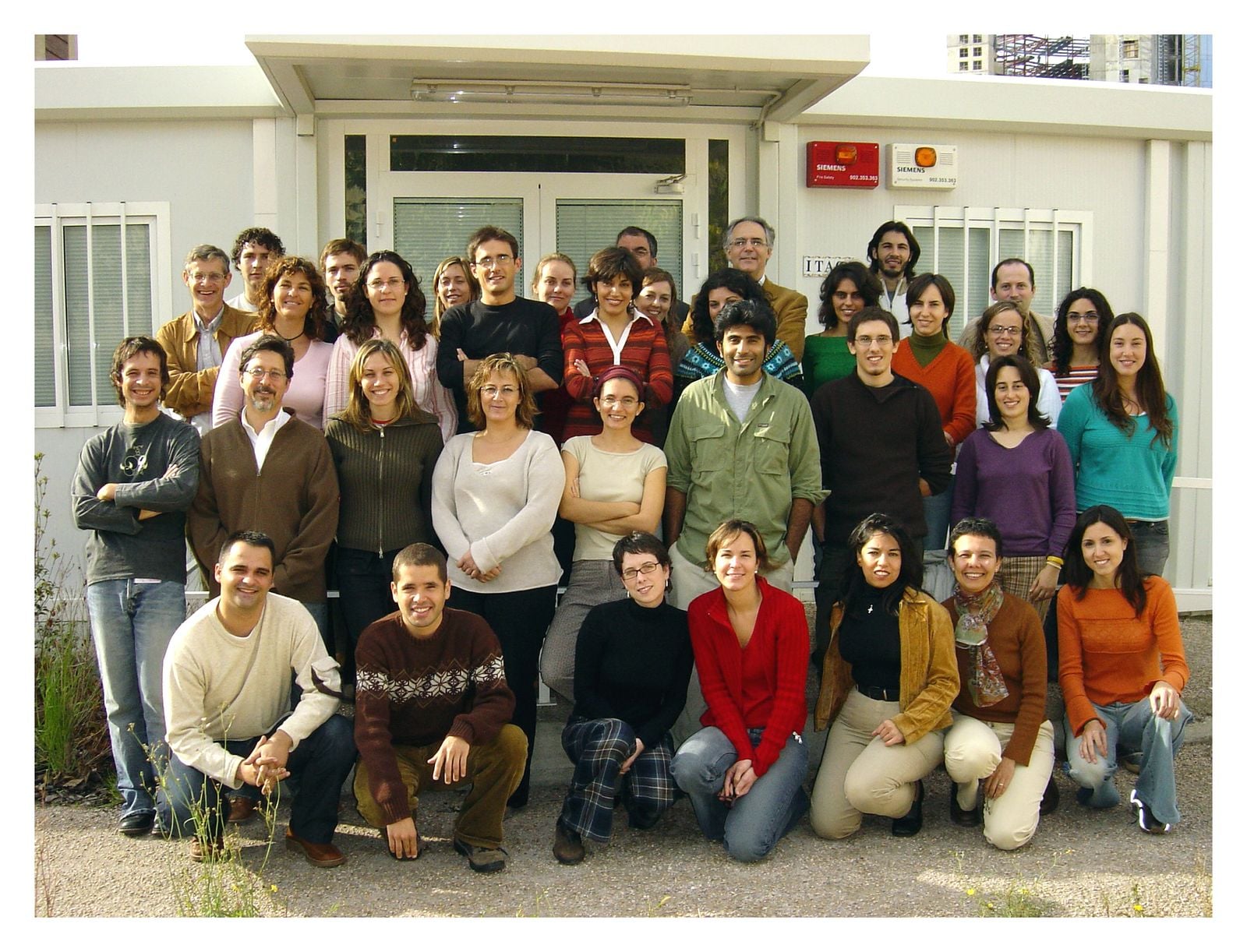
Photo: The Respiratory and Environmental Research Unit (URRA), located next to Hospital del Mar, laid the foundations of environmental epidemiological research in Barcelona. Pictured: the team in 2004.
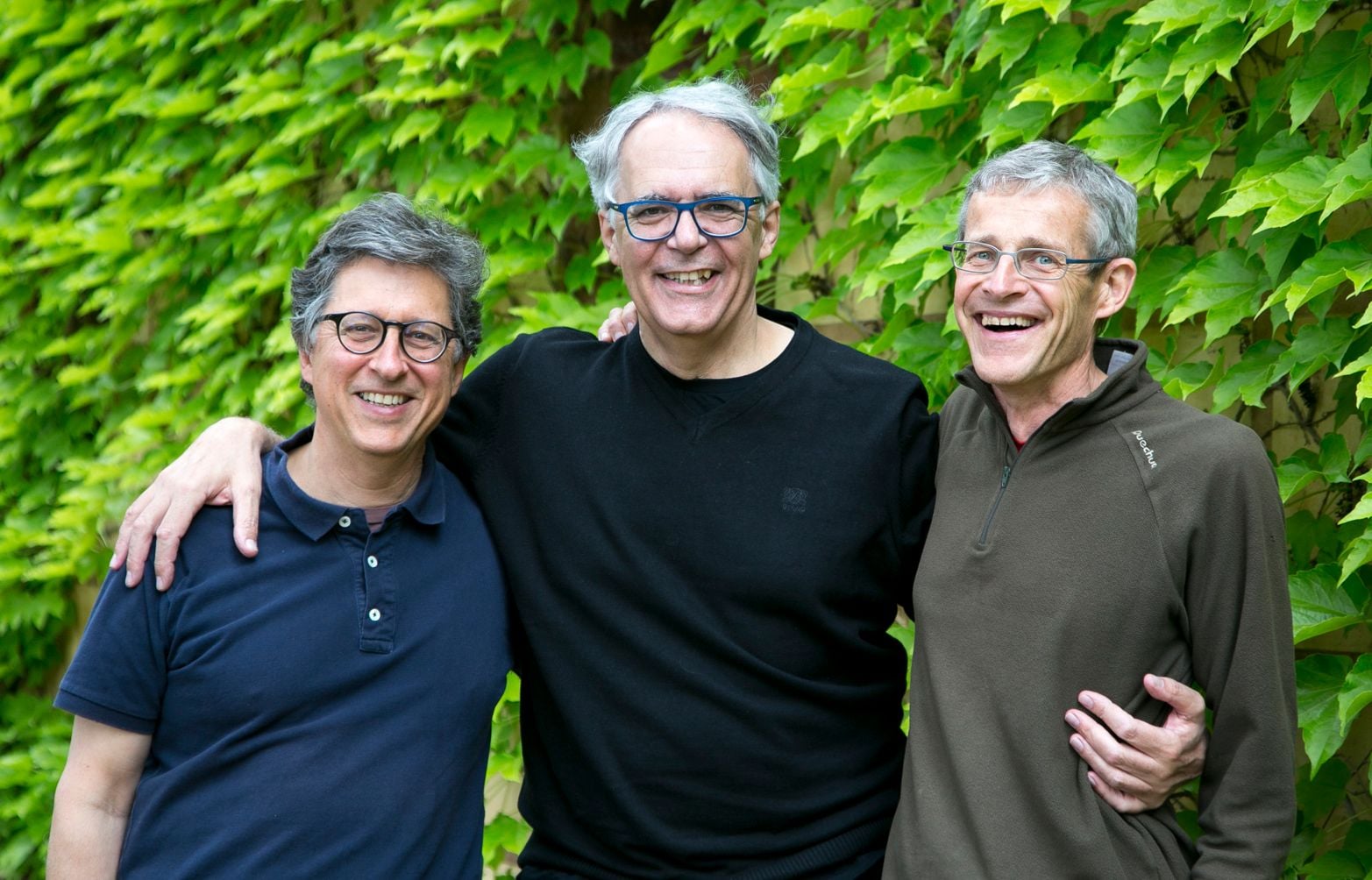
Photo: From left to right: Manolis Kogevinas, Josep Maria Antó and Jordi Sunyer founded CREAL in 2005.
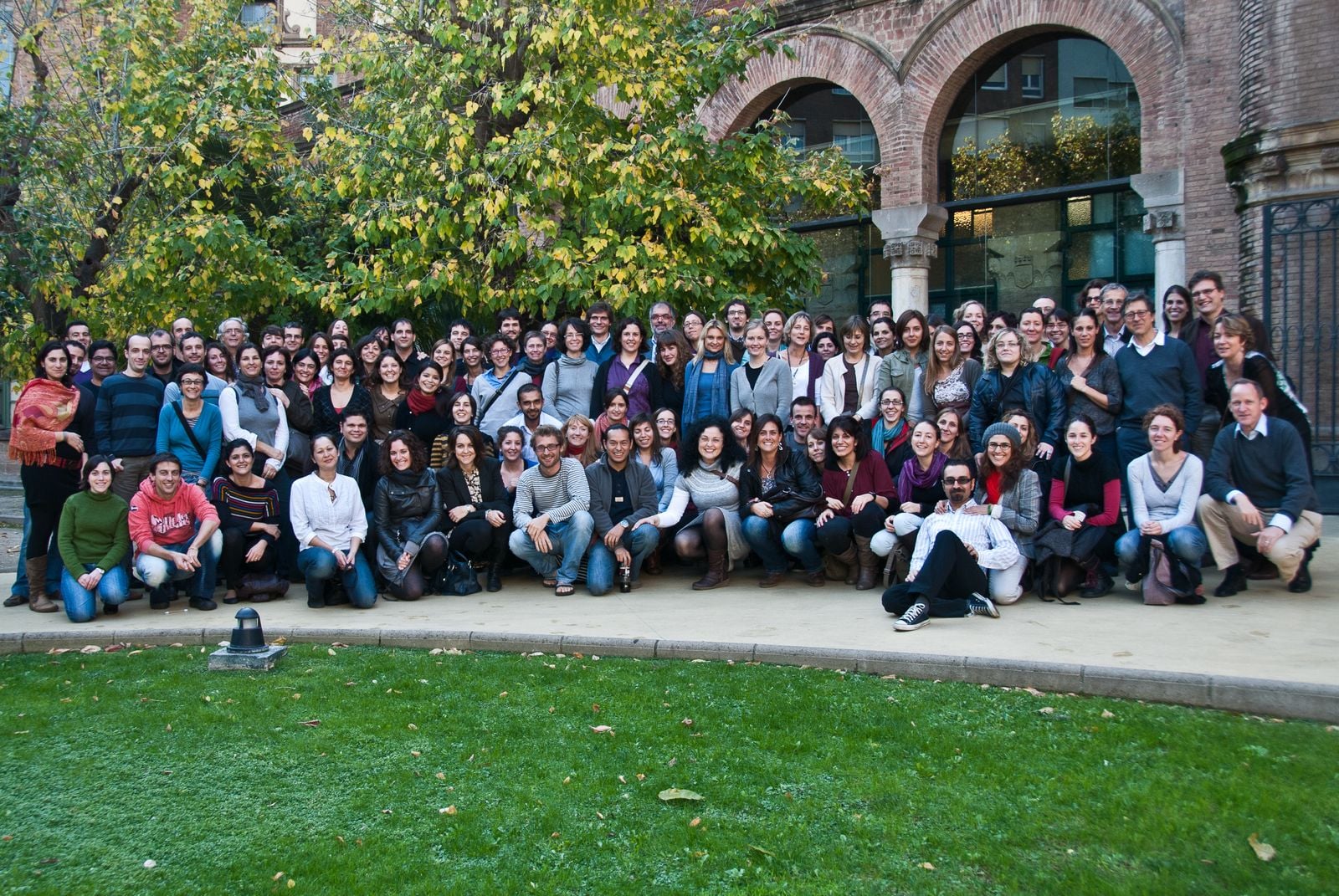
Photo: CREAL’s annual meeting in 2011, held at the Casa de Convalescència, in the modernist complex of Hospital de Sant Pau.
The drive to take scientific evidence a step beyond research, medical care and training led, in 2010, to the creation of the Barcelona Institute for Global Health (ISGlobal), which was born with the aim of taking over from CRESIB and bringing a broader, multidisciplinary perspective to its work, with knowledge translation as its driving principle. Promoted by the “la Caixa” Foundation, the Government of Spain, the Government of Catalonia and the Ramón Areces Foundation, ISGlobal aims to improve global health and promote health equity through excellence in research and the translation and application of knowledge.
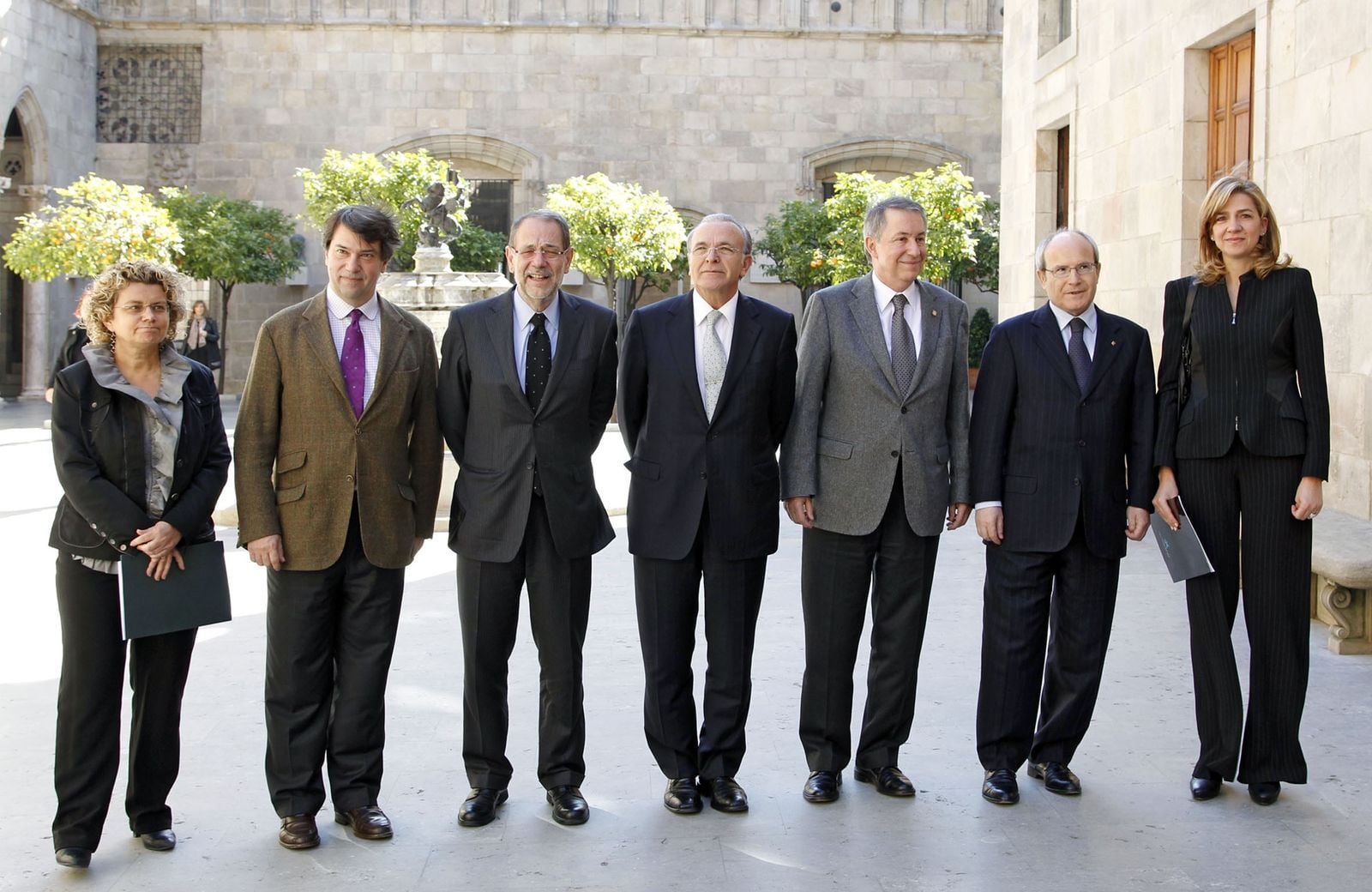
Photo: From left to right: Marina Geli, Pedro Alonso, Javier Solana, Isidre Fainé, Dídac Ramírez, José Montilla and Infanta Cristina on the day ISGlobal was established in 2010.
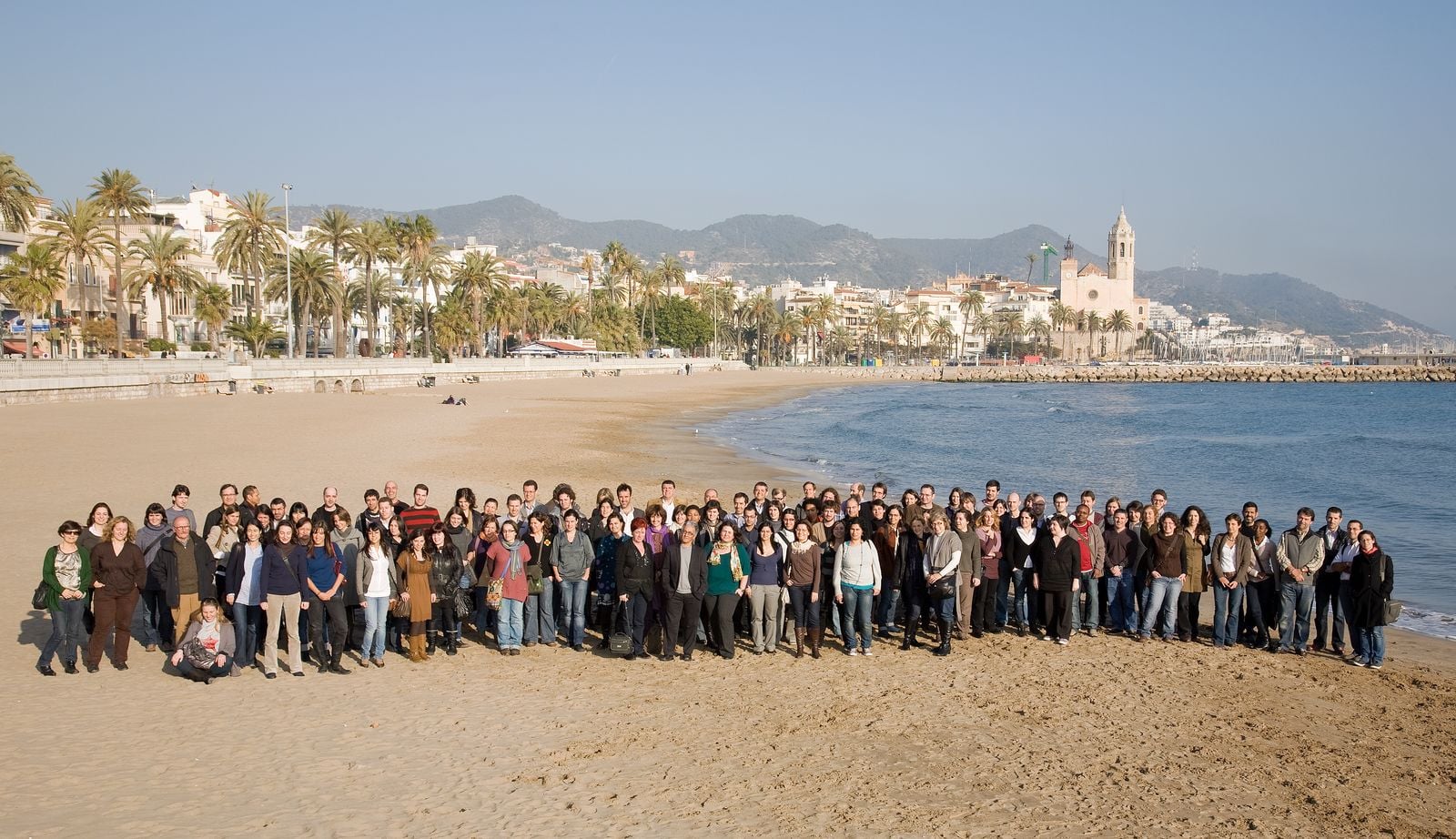
Photo: ISGlobal held its first team-building day in May 2011 in Sitges (Barcelona).
In 2013, with the support of the Government of Catalonia through the SUMA Programme for the Integration of CERCA Centres, a strategic alliance process between CRESIB, CREAL and ISGlobal began, with the aim of consolidating a stronger and more internationally competitive global health research and translation centre. In May 2014, the integration into ISGlobal of what had until then been its research centre, CRESIB, was formalised. Two years later, in June 2016, the integration of ISGlobal and CREAL completed a process of more than three years of joint work, with a Board of Trustees including the “la Caixa” Banking Foundation, Hospital Clínic, Parc de Salut Mar, the University of Barcelona, Pompeu Fabra University, the Government of Catalonia, the Government of Spain, Barcelona City Council and the Fundación Ramón Areces.
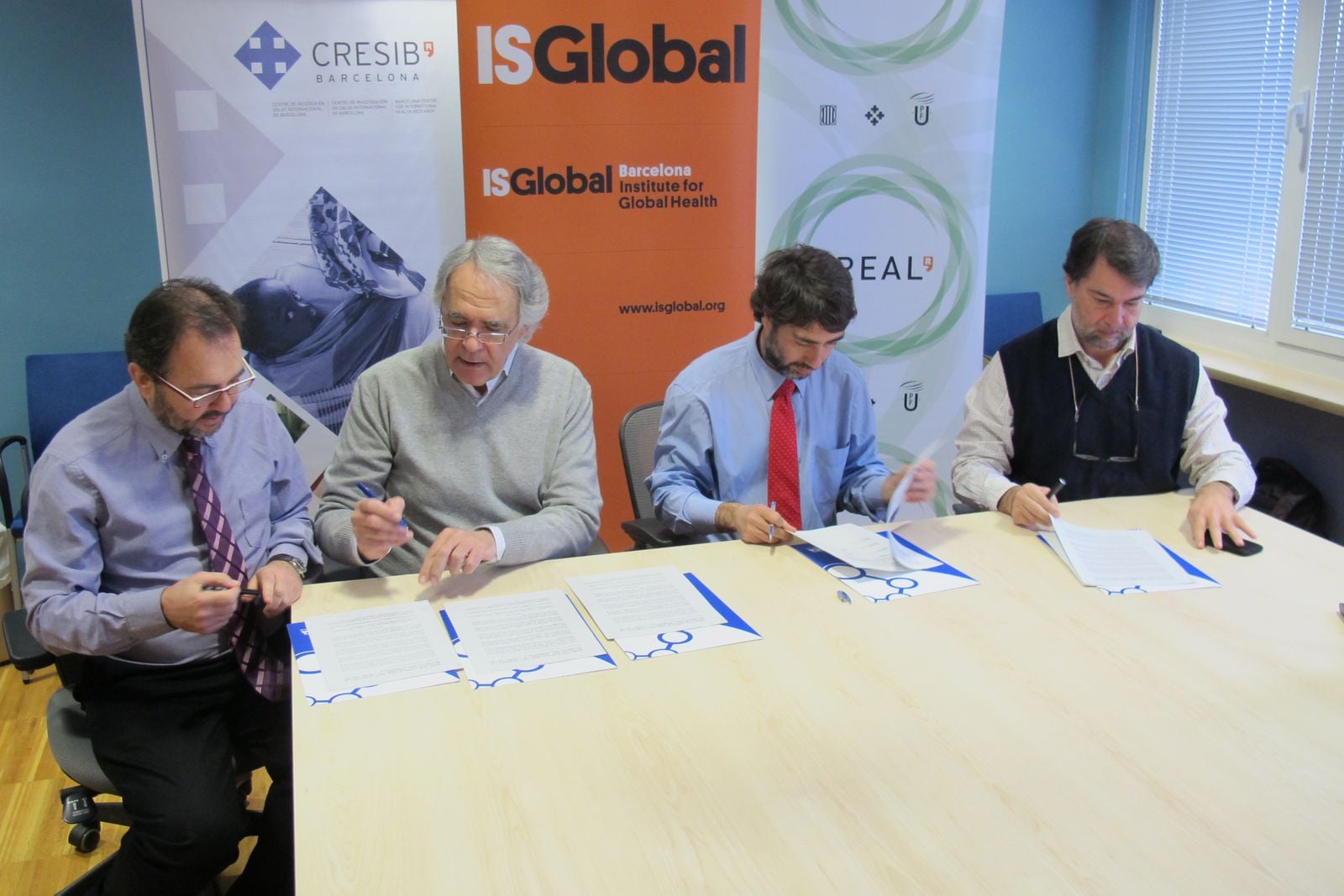
Photo: Signing of the SUMA agreement in February 2013 between ISGlobal, CRESIB, CREAL and the CERCA system (Government of Catalonia). Pictured, from left to right: Antoni Plasència (director of CRESIB), Josep Maria Antó (director of CREAL), Lluís Rovira (director of CERCA) and Pedro Alonso (director of ISGlobal).
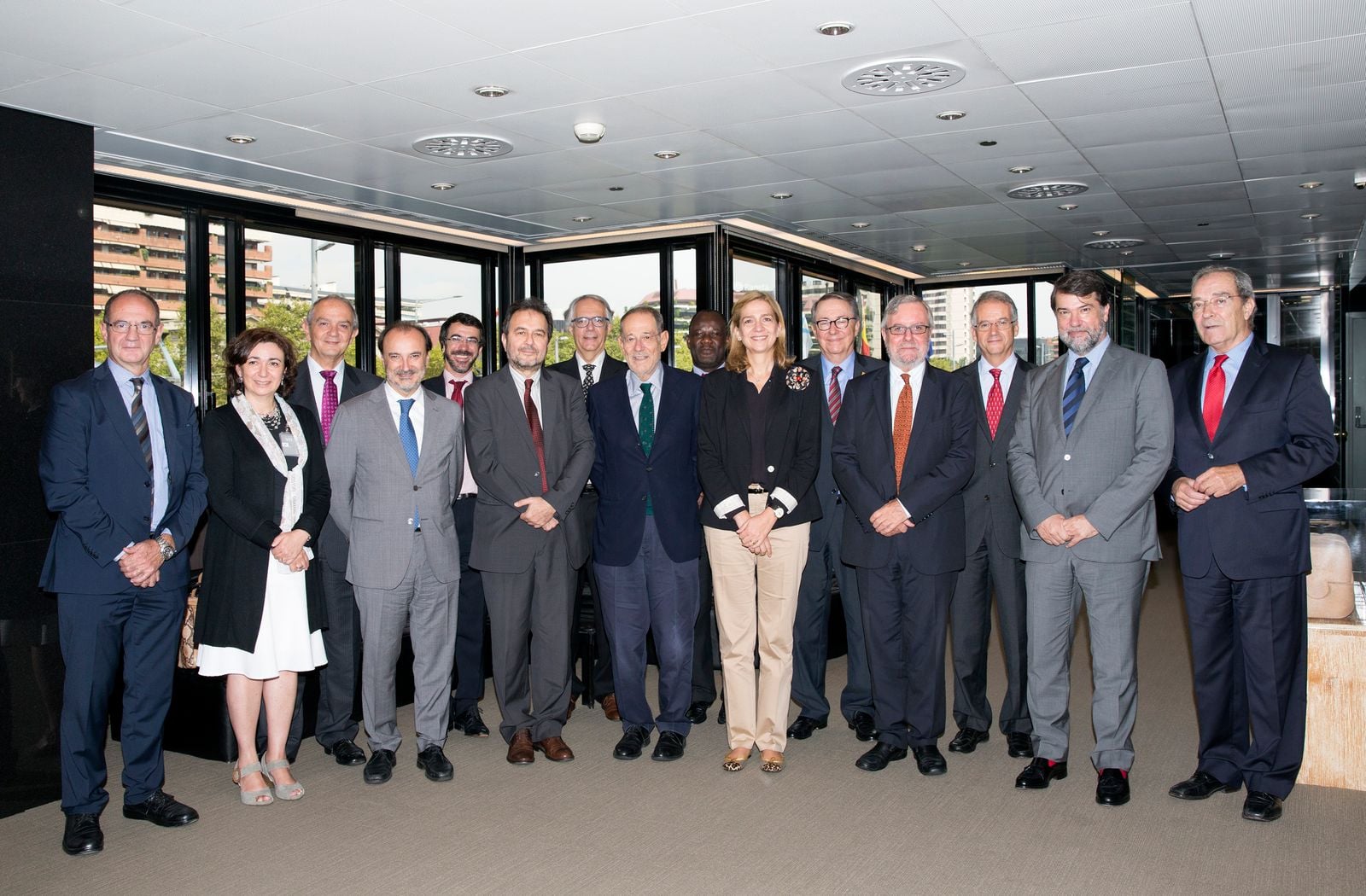
Photo: In October 2014, the Board of Trustees, meeting at the “la Caixa” offices, approved the change of leadership at ISGlobal. Antoni Plasència replaced Pedro Alonso as director general.
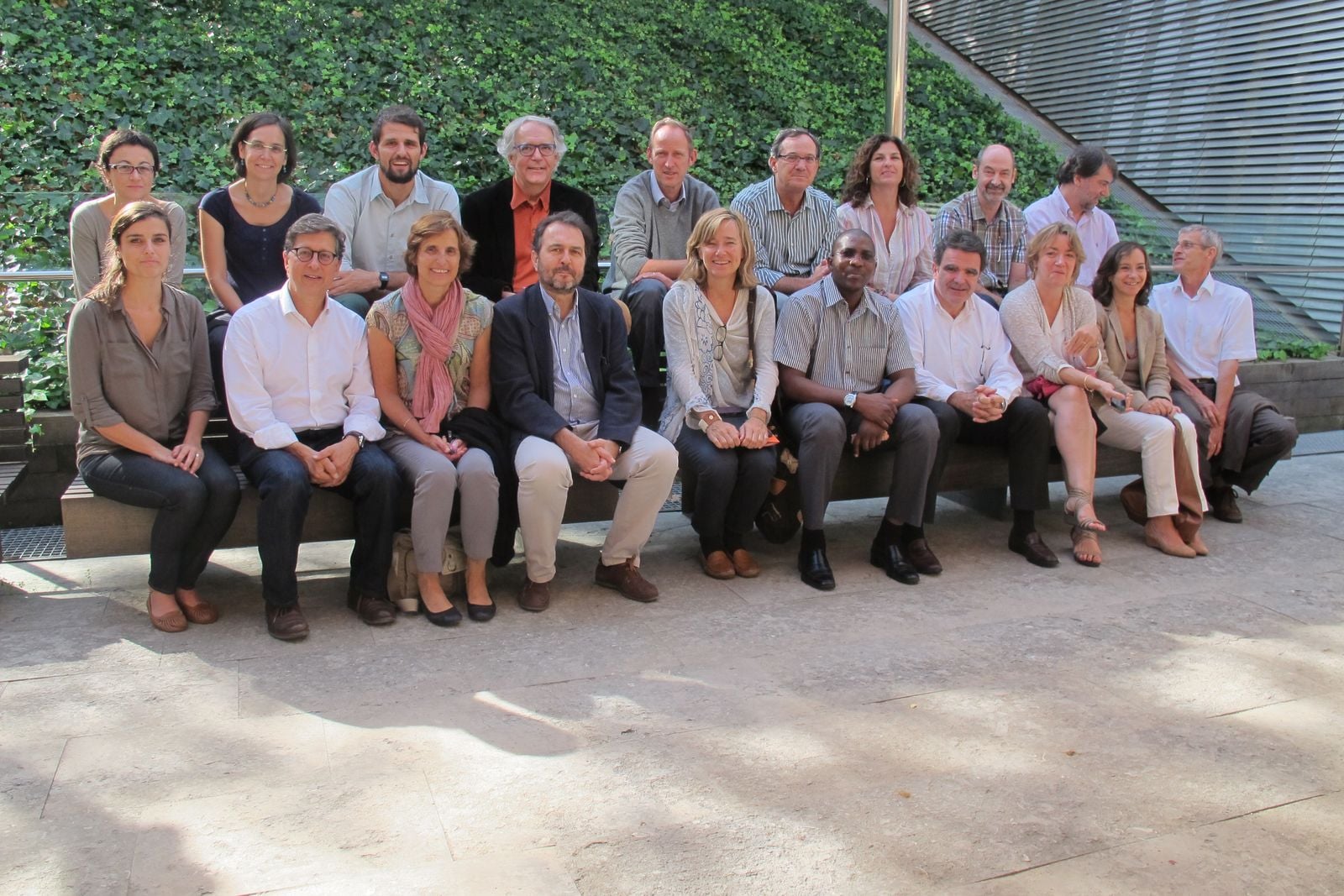
Photo: The first strategic meeting between the members of the Executive Committee of ISGlobal, CRESIB and CREAL took place on 18 October 2013 at CosmoCaixa Barcelona.
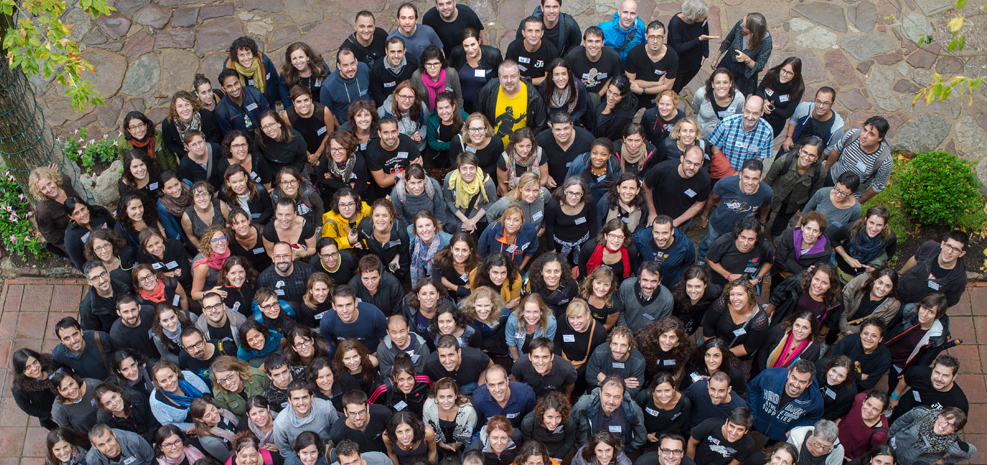
Photo: Team-building day following the integration of the three centres in 2016.
ISGlobal, a centre in the CERCA network, is thus one of the pioneering centres in combining research on communicable diseases with research on chronic diseases and their environmental and climate-related causes, placing it among the international benchmark centres in global health. In 2019, ISGlobal was named a Severo Ochoa Centre of Excellence for the first time by the Spanish State Research Agency, part of the Ministry of Science and Innovation. In 2024, ISGlobal renewed this accreditation, reinforcing its role as an international benchmark centre.
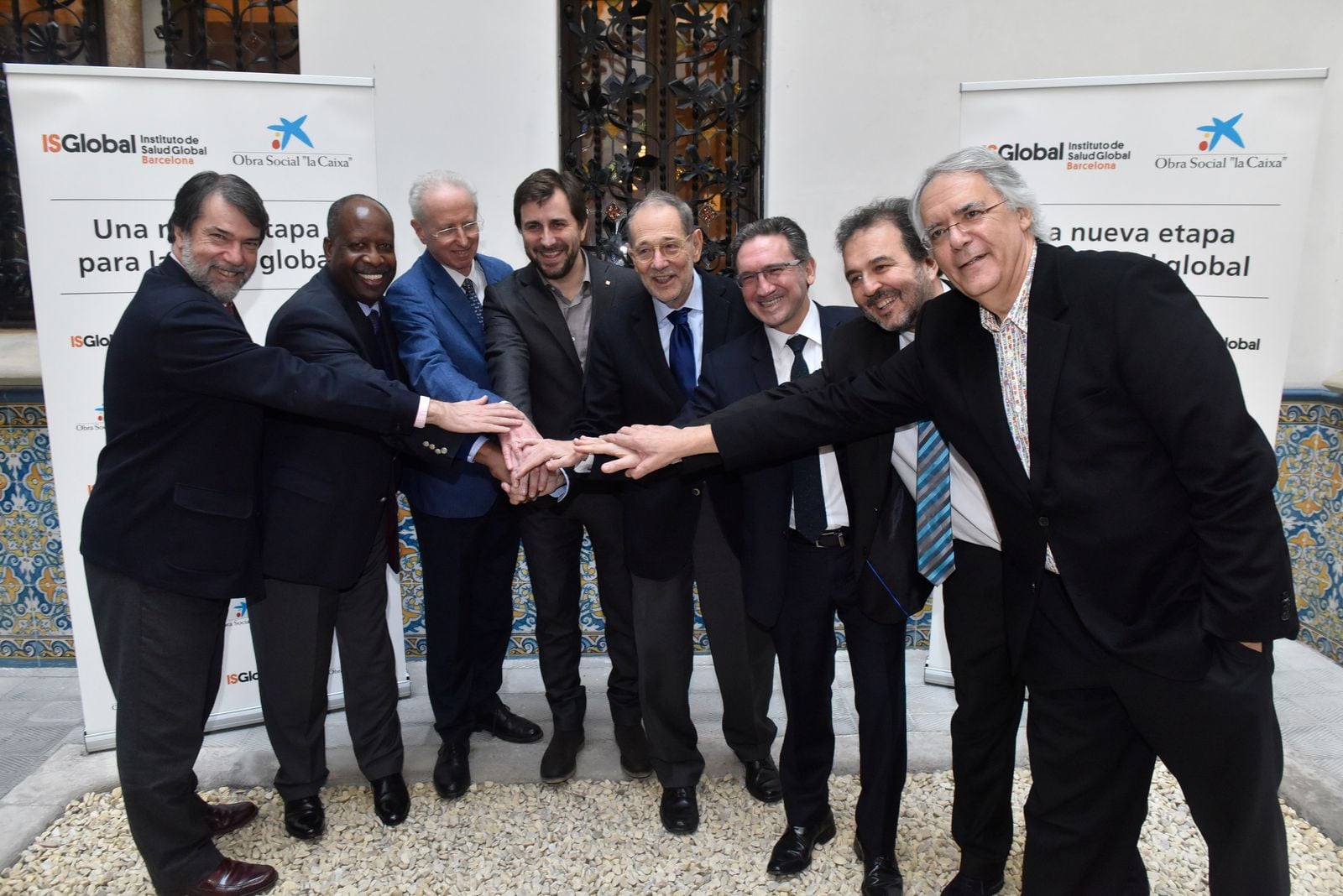
Photo: In February 2017, following the integration of the three centres, ISGlobal’s new era was presented at CaixaForum Macaya.
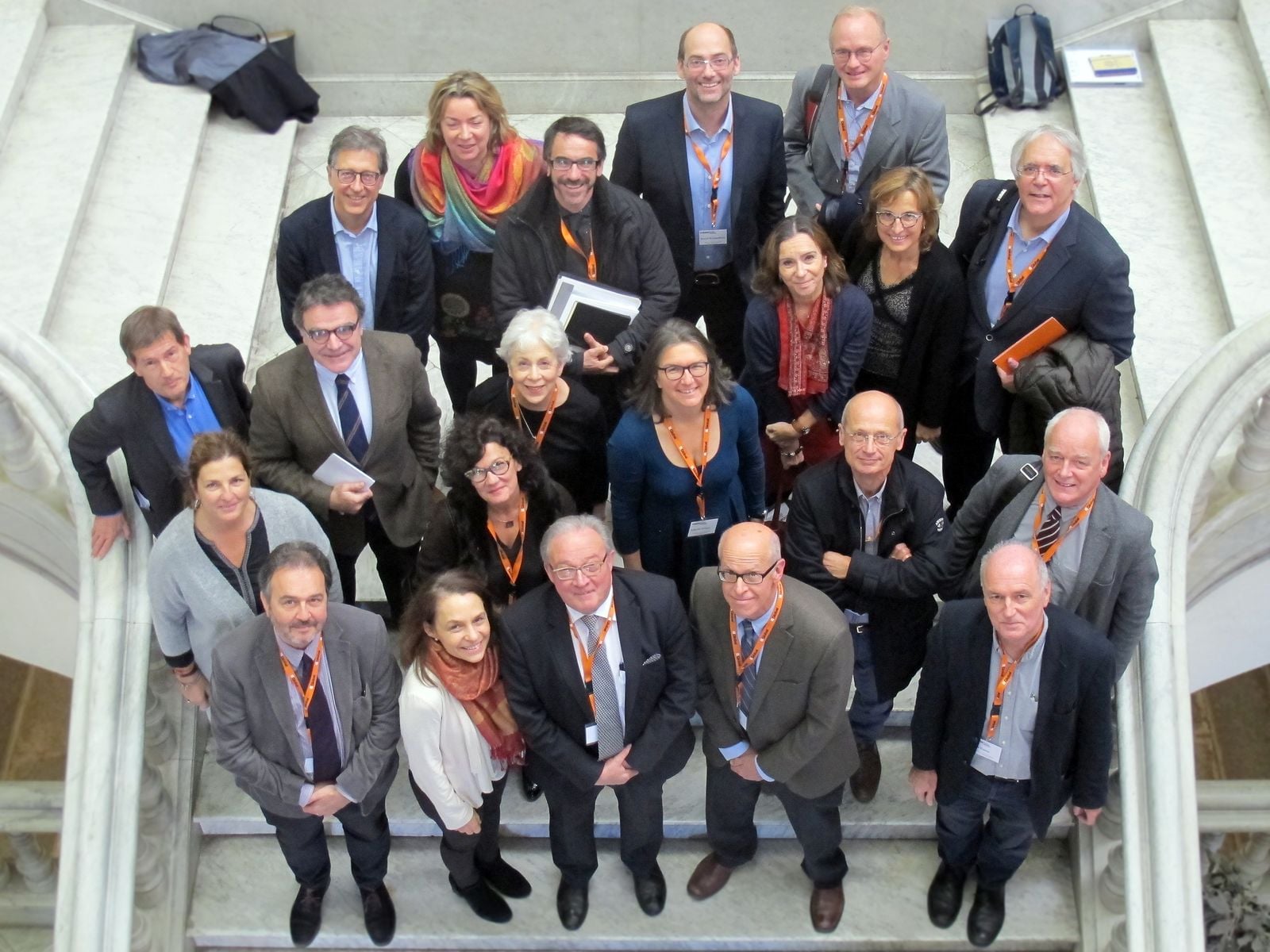
Photo: Meeting of ISGlobal’s External Advisory Board, chaired by Marcel Tanner and David Savitz, in November 2017.

Photo: The distinction accrediting ISGlobal as a Severo Ochoa Centre of Excellence, received in October 2019.
ISGlobal does not sell advertising or carry out personalised tracking of users who visit its website. We use our own and third-party cookies to improve your browsing experience, protect your privacy and collect anonymous usage statistics. Third-party cookies may also come from content embedded on our website, such as YouTube videos. You can "Accept all cookies", "Reject optional cookies" (except for strictly necessary technical cookies) or "Configure cookies". For more details, please refer to our cookie policy and our privacy policy.

Our website www.isglobal.org (the "Website") uses cookies to collect information on how the Website is used.
A cookie is a file downloaded onto your machine (computer or mobile device) for storing data that may be updated and retrieved by the entity that installed it.
The information collected via cookies may include the date and time you visited the website, the pages you viewed, the time you spent on our website and the websites you visited before and after visiting our site.
We use cookies to facilitate your browsing of our Website, distinguish you from other users, provide you a better use experience and identify problems with our Website. If you provide your consent, we will use cookies to obtain information on your preferences and tailor our Website to your interests.
The purpose of this cookies policy is to provide you with clear and precise information on the cookies used on our Website (the "Cookies Policy"). For more information on the cookies used on our Website, please email your questions to the Data Protection Officer: lopd@isglobal.org.
Our Website uses the cookies described below.
These cookies are sent to your computer and handled only by us to improve the operation of the Website. Information collected is used to improve the quality of our service and your user experience. These cookies remain in your browser for longer. This allows us to recognise you when you return to the Website and tailor the content offered to your preferences.
Interacting with the content of our Website can also cause the installation of third-party cookies (e.g., when you click on social network buttons or watch videos hosted on our Website). Third-party cookies are installed by other domains; not ours. We cannot access the data stored in the cookies of other websites when you browse those websites.
Our Website uses Google Analytics audience measurement system, Facebook, First Party, Twitter, Vimeo, YouTube, Instagram, Issuu and Opinion Stage. These tools allow us to know how users interact with our Website. We use "persistent" cookies. Persistent cookies store data on your terminal that can be accessed and processed during a defined time period by the owner of the cookie. This time period could be anything from a few minutes to several years.
Below is a list of cookies according to the purpose for which the data obtained is processed:
Along with our server's log files, these cookies tell us the total number of visitors to our Website and which parts of our site are the most popular. Thanks to them, we obtain information that helps us improve browsing and provide a better service to our users and clients.
Visit the following link to Google's website to read about the type of cookies used by Google Analytics and their expiry time.
By browsing and remaining on our Website, you provide consent for our use of the cookies described for the time periods specified under the conditions of this Cookies Policy.
Cookies are not required for using our Website. You can block and disable cookies by configuring your browser to block the installation of all or some cookies. Most browsers can be set to warn you of the presence of cookies or block them automatically. If you block cookies, you may continue using our Website. However, the use of some of its services may be limited, and your user experience may be diminished.
If at any time you want to withdraw the consent you gave under this Cookies Policy, delete the cookies stored on your machine (computer or mobile device) via the settings and configuration of your web browser.
For more information on deleting, disabling or blocking cookies, visit this page.
Unless you have adjusted your browser's configuration, our system creates cookies when you visit our Website. All web browsers allow changing this configuration.
Click on the links below for how to adjust the cookie configuration of the following browsers:
We may update the Cookies Policy of our Website from time to time. We recommend that you review this policy each time you visit our Website so that you are adequately informed on how and for what we use cookies. The Cookies Policy was last updated on March 11, 2020.
For any query, comment or suggestion regarding our Cookies Policy, please email the Data Protection Officer: lopd@isglobal.org.
[Updated on March 11, 2020 · Photo: Christopher Burns / Unsplash]

In accordance with the current data protection regulations, ISGlobal informs you of the following:
When you are requested to provide personal data for the provision of services, you will be informed of what data you must provide.
If you do not provide this required data, we will not be able to provide you with the services. The personal data you provide or that ISGlobal obtains as a result of your browsing, queries or requests via our webpage at www.isglobal.org (the “website”) will be included in a file owned by ISGlobal for managing, storing and tracking your requests for information and/or contracting of goods or services offered via the website. The information obtained from you by ISGlobal from the website when you sign up for a promotional event or send a form is processed with the utmost confidentiality for helping you to take part in the event in question or, in the second case, sending you the information you requested. The information obtained is not used for any other purpose. The personal data provided will not be disclosed or transferred to third parties without your consent.
When the completion of a form is requested, the user will be informed of the identity and data of the data controller and the Data Protection Officer, the purposes and legal basis of the treatment, the recipients of the data as well as, where appropriate, the international data transfers, the data retention periods and the user's ability to exercise their rights of access, rectification, deletion, portability, limitation and / or opposition to treatment, the right complaint to the control authority and the existence of automated decisions. The personal data collected will only be processed and / or transferred for the express purpose, and always with the consent of the user.
Information is only sent via the form(s) of the website after you have expressed your acceptance by selecting an "ACCEPT/SEND" (or similar) button, via which ISGlobal has proof that you gave your consent for it to process your personal data.
In all cases, you guarantee that the data you provide is true, exact, complete and up-to-date. ISGlobal may decline to provide the information or services requested to any user providing false data without prejudice to any other legal action open to it.
In virtue of Article 22 of Spanish Law 34/2002, of July 11, on the Information Society Services and Electronic Commerce, ISGlobal may store and retrieve "cookies" (data in a text file) from your machine, provided you have given consent and after we have provided you with clear and complete information on the use of these cookies. You may obtain complete information on the purpose for installing these cookies and what they are used for in ISGlobal's Cookies Policy.
This does not prevent any technical storage or access for the sole purpose of carrying out or facilitating the transmission of a communication over an electronic communications network, or as strictly necessary to provide an information society service expressly requested by you.
You may exercise your rights of access, rectification, erasure, objection, portability and restriction of the processing by sending a request to the Data Protection Officer via email (lopd@isglobal.org) or the ISGlobal postal address: c/ Rosselló, 132, 08036 Barcelona, Spain. The request must include your full name, address for notices, a photocopy of your ID document or passport and an indication of the right you want to exercise.
If you are unhappy with the processing done by ISGlobal or believe that your rights have been violated, you may file a claim with the Spanish Data Protection Agency at any time (www.aepd.es – C/ Jorge Juan, 6, Madrid).
ISGlobal has implemented the necessary technical and organizational security measures in order to guarantee the security of your personal data and prevent its alteration, loss, treatment and / or unauthorized access, considering the state of technology, the nature of the stored data and the risks to which they are exposed, whether they come from human action or the physical or natural environment, all in accordance with the provisions of current regulations.
In accordance with Law 34/2002, of 11 July, on the Services of the Information Society and Electronic Commerce, if you do not wish to receive electronic commercial notices from ISGlobal in the future, you may inform us of this preference by sending an email to the Data Protection Officer (lopd@isglobal.org).
[Updated on March 11, 2020 · Photo: Gilles Lambert / Unsplash]